

Pharmaceutical Manufacturing in Morocco: Regulatory and Market Overview
What Is Pharmaceutical Manufacturing in Morocco?
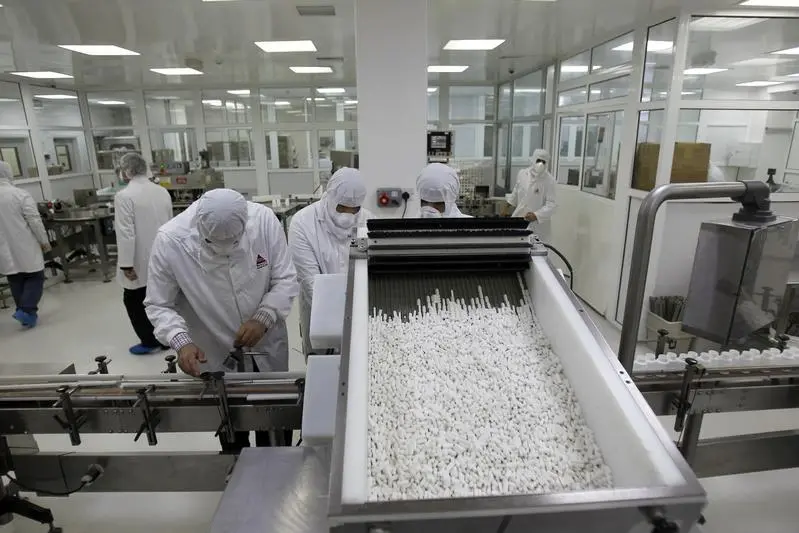
Pharmaceutical manufacturing in Morocco refers to the production of medicines, vaccines, and medical products within the country's borders. This industry includes both locally-owned companies and international pharmaceutical firms with manufacturing facilities in Morocco.
The sector produces generic medicines, branded drugs, and over-the-counter products. Manufacturing ranges from basic tablet production to advanced biotechnology products.
Morocco's pharmaceutical industry serves two main purposes. First, it supplies medications to the local population of approximately 37 million people. Second, it exports finished products to other African and Middle Eastern countries.
History and Development of Morocco's Pharmaceutical Sector
Early Foundations (1960s-1980s)
Morocco's pharmaceutical industry began developing after independence in 1956. The government recognized that importing all medicines created healthcare vulnerabilities and high costs.
The first local manufacturing facilities opened in the 1960s. These early plants produced simple formulations under licensing agreements with European companies.
By the 1980s, Morocco had established a basic regulatory framework. This allowed for quality control and safer medication production.
Expansion Period (1990s-2010s)
The 1990s brought significant growth to Moroccan pharmaceutical manufacturing. The government created new policies to encourage local production and reduce import dependence.
Foreign pharmaceutical companies began establishing production facilities in Morocco. This brought advanced technology and international quality standards to the country.
The Moroccan Directorate of Medicines and Pharmacy (DMP) strengthened regulatory oversight. Manufacturers had to meet stricter quality and safety requirements.
Modern Era (2010s-Present)
Morocco's pharmaceutical sector has become increasingly sophisticated. The country now produces complex generic drugs and some biotechnology products.
The government launched strategic plans to make Morocco a pharmaceutical hub for Africa. These plans include infrastructure development, tax incentives, and research support.
Today, Morocco exports pharmaceuticals to over 70 countries. The industry employs tens of thousands of workers directly and indirectly.
Regulatory Framework and Government Oversight
Ministry of Health and Key Agencies
The Ministry of Health is the primary regulatory authority for pharmaceutical manufacturing in Morocco. It oversees all aspects of drug production, distribution, and quality control.
The Directorate of Medicines and Pharmacy (DMP) operates under the Ministry of Health. This agency handles licensing, inspections, and enforcement of pharmaceutical regulations.
The National Agency for Medicines and Health Products (ANMPHI) was established to modernize pharmaceutical regulation. It works to align Moroccan standards with international best practices.
Manufacturing License Requirements
Any company wanting to manufacture pharmaceuticals in Morocco must obtain a manufacturing authorization. This license is issued by the Ministry of Health after thorough evaluation.
Applicants must demonstrate they have qualified personnel, including licensed pharmacists. A pharmacist must be present during all manufacturing operations.
The facility must meet specific infrastructure requirements. These include appropriate production areas, quality control laboratories, and storage facilities.
Companies must provide detailed documentation about their manufacturing processes. This includes standard operating procedures, quality control methods, and equipment specifications.
Good Manufacturing Practice (GMP) Standards
Morocco requires all pharmaceutical manufacturers to follow Good Manufacturing Practice standards. GMP ensures medicines are consistently produced to quality standards.
GMP covers every aspect of production. This includes raw material sourcing, production processes, equipment maintenance, and staff training.
Manufacturing facilities must have separate areas for different production stages. This prevents cross-contamination between different medications.
All production steps must be documented. Records must be kept for a minimum period specified by regulations.
Regular Inspections and Compliance
The Ministry of Health conducts regular inspections of pharmaceutical manufacturing facilities. These inspections verify compliance with GMP and other regulations.
Inspections can be scheduled or unannounced. Inspectors examine production areas, review documentation, and interview staff.
Manufacturers must address any deficiencies found during inspections. Serious violations can result in production suspension or license revocation.
Companies must also report adverse events or quality issues. This allows regulators to take action quickly if problems arise.
Types of Pharmaceutical Products Manufactured
Generic Medications
Generic drugs represent the largest segment of pharmaceutical manufacturing in Morocco. These are medications that copy brand-name drugs after patent protection expires.
Generic manufacturers must prove their products are bioequivalent to the original branded version. This means the generic drug works the same way in the body.
Morocco produces generic versions of common medications. These include antibiotics, pain relievers, cardiovascular drugs, and diabetes treatments.
Generic production has significantly reduced medication costs for Moroccan consumers. It has also created export opportunities to countries seeking affordable medicines.
Branded and Patented Drugs
Some international pharmaceutical companies manufacture patented medications in Morocco. These facilities produce drugs still under patent protection for regional distribution.
Branded drug production typically involves technology transfer from parent companies. Moroccan facilities manufacture according to global company standards.
This segment includes specialty medications and newer drug formulations. Production volumes are usually lower than generic manufacturing.
Over-the-Counter (OTC) Products
Over-the-counter medicines are products consumers can buy without a prescription. Moroccan manufacturers produce various OTC products for local and export markets.
Common OTC products include pain relievers, cold medications, and digestive aids. These products must still meet strict quality and safety standards.
OTC manufacturing often uses simpler formulations than prescription drugs. However, quality control requirements remain rigorous.
Vaccines and Biological Products
Morocco has developed limited capacity for vaccine and biological product manufacturing. This sector received increased attention following the COVID-19 pandemic.
Some facilities can perform fill-and-finish operations for vaccines. This involves putting vaccine substances into vials or syringes for distribution.
The government has expressed interest in expanding biological manufacturing capabilities. This would reduce dependence on imported vaccines and biologics.
Market Structure and Major Players
Local Moroccan Pharmaceutical Companies
Morocco has approximately 12 major locally-owned pharmaceutical manufacturers. These companies primarily focus on generic drug production for the domestic market.
Sothema is one of the largest Moroccan pharmaceutical companies. It produces a wide range of generic and branded medications.
Cooper Pharma is another significant local player. The company manufactures various drug formulations and has pursued export markets.
Laprophan specializes in generic drugs and has been operating since the 1990s. It focuses on affordable medication production for North and West Africa.
International Companies with Moroccan Operations
Over 30 international pharmaceutical companies have manufacturing or distribution operations in Morocco. These include major global pharmaceutical corporations.
Sanofi operates production facilities in Morocco. The company manufactures both for the local market and for export to other African countries.
GSK (GlaxoSmithKline) has established operations in Morocco. Their facilities produce vaccines and pharmaceutical products.
Other international presence includes companies from Europe, Asia, and North America. These operations benefit from Morocco's strategic location and trade agreements.
Market Share and Competition
The Moroccan pharmaceutical market is valued at approximately $2 billion annually. Local production accounts for about 70% of market needs.
Generic drugs dominate the market with roughly 60% share by volume. Branded and patented drugs hold a smaller but more valuable market share.
Competition is intense in common drug categories. Manufacturers compete primarily on price for generic medications.
The market is growing steadily due to population growth and increasing healthcare access. Chronic disease medications show the fastest growth rates.
Investment and Manufacturing Facilities
Industrial Free Zones and Special Economic Areas
Morocco has created industrial free zones to attract pharmaceutical investment. These zones offer tax benefits, simplified customs procedures, and modern infrastructure.
The Tangier Free Zone hosts several pharmaceutical manufacturers. Companies in free zones benefit from proximity to European markets.
The Casablanca region contains multiple pharmaceutical industrial parks. These areas provide utilities, logistics support, and regulatory assistance.
Free zone companies can import raw materials duty-free if products are exported. This reduces production costs and improves competitiveness.
Government Incentives for Manufacturers
The Moroccan government offers various incentives to pharmaceutical manufacturers. These aim to increase local production capacity and attract foreign investment.
Tax holidays are available for new manufacturing facilities. Companies may receive five years of corporate tax exemption.
The government provides subsidized land for pharmaceutical projects. Industrial plots in designated zones are offered at reduced prices.
Research and development activities receive special tax treatment. Companies investing in R&D can claim additional deductions.
Training subsidies help manufacturers develop skilled workforces. The government partially reimburses costs for employee training programs.
Infrastructure and Logistics
Morocco has invested heavily in transportation infrastructure. Modern ports, highways, and rail connections support pharmaceutical logistics.
The Tanger-Med port is one of Africa's largest and most modern. It provides efficient shipping connections to Europe, Africa, and the Americas.
Cold chain logistics have improved significantly. This allows proper storage and transportation of temperature-sensitive medications.
Morocco's proximity to Europe provides logistical advantages. Shipping times to European markets are shorter than from most other African countries.
Quality Standards and Certifications
Moroccan Quality Control Requirements
All pharmaceutical products manufactured in Morocco must undergo quality testing. Manufacturers must maintain in-house quality control laboratories.
Quality control laboratories must test raw materials before production. This ensures ingredients meet specifications before manufacturing begins.
Finished products undergo stability testing. This confirms medications maintain quality throughout their shelf life.
Manufacturers must validate their production processes. Validation proves that processes consistently produce products meeting quality standards.
International Certifications
Moroccan pharmaceutical manufacturers increasingly seek international certifications. These certifications are essential for exporting to regulated markets.
WHO prequalification is important for companies exporting to UN procurement programs. This certification confirms products meet international quality standards.
Some Moroccan facilities have obtained European GMP certification. This allows direct exports to European Union countries.
ISO certifications are common in the Moroccan pharmaceutical sector. ISO 9001 for quality management and ISO 14001 for environmental management are frequently obtained.
Compliance with International Standards
Morocco has aligned its pharmaceutical regulations with international standards. The country follows guidelines from the World Health Organization and International Council for Harmonisation.
Manufacturers must demonstrate bioequivalence for generic drugs. Testing protocols follow international scientific standards.
Pharmacovigilance systems track adverse drug reactions. Morocco participates in international drug safety monitoring networks.
Environmental and safety regulations align with international best practices. Manufacturers must properly handle pharmaceutical waste and emissions.
[Image suggestion: Diagram showing the hierarchy of quality certifications from basic Moroccan standards to WHO prequalification and EU GMP]
Export Markets and Trade Agreements
Primary Export Destinations
Morocco exports pharmaceutical products to over 70 countries worldwide. The largest markets are in Africa and the Middle East.
French-speaking West African countries are major importers of Moroccan pharmaceuticals. These include Senegal, Côte d'Ivoire, Mali, and Burkina Faso.
North African neighbors also import from Morocco. Tunisia, Algeria, and Mauritania purchase various pharmaceutical products.
Middle Eastern markets have grown in importance. Countries like Saudi Arabia, UAE, and Iraq import Moroccan-made medications.
Free Trade Agreements
Morocco has signed numerous free trade agreements that benefit pharmaceutical exports. These agreements reduce tariffs and simplify regulatory processes.
The Morocco-EU Free Trade Agreement provides preferential access to European markets. Pharmaceutical products can enter the EU with reduced or zero tariffs.
The Agadir Agreement connects Morocco with Egypt, Jordan, and Tunisia. This facilitates pharmaceutical trade within the region.
Morocco has free trade agreements with the United States and several other countries. These agreements open additional export opportunities for manufacturers.
Regional Integration Efforts
Morocco is working to become a pharmaceutical supply hub for Africa. The country participates in African Continental Free Trade Area (AfCFTA) initiatives.
Regional harmonization of pharmaceutical regulations is progressing. This will make it easier to register and sell medications across African countries.
Morocco provides technical assistance to other African nations. This includes sharing regulatory expertise and quality control knowledge.
The country hosts regional pharmaceutical conferences and training programs. These events strengthen Morocco's position as a sector leader.
Raw Materials and Supply Chain
Local Raw Material Production
Morocco has limited domestic production of pharmaceutical raw materials. Most active pharmaceutical ingredients (APIs) must be imported.
The country produces some basic pharmaceutical excipients. These are inactive ingredients used in drug formulations like binders and fillers.
The government encourages development of local raw material production. However, economic viability remains challenging for many specialized ingredients.
Some companies have started producing packaging materials locally. This includes bottles, blister packs, and labels for pharmaceutical products.
Import Sources for Raw Materials
India and China are the primary sources for pharmaceutical raw materials. These countries supply most active pharmaceutical ingredients used in Morocco.
European suppliers provide specialized ingredients and high-quality excipients. These materials are used for more complex formulations.
Quality control of imported raw materials is mandatory. All imports must have certificates of analysis and meet Moroccan specifications.
Supply chain disruptions can affect Moroccan pharmaceutical production. The COVID-19 pandemic highlighted vulnerabilities in global API supply chains.
Supply Chain Management
Moroccan pharmaceutical manufacturers maintain strategic raw material inventories. This helps ensure continuous production despite supply chain challenges.
Companies diversify their supplier base to reduce risks. Having multiple sources for critical materials prevents production interruptions.
Just-in-time inventory management is less common in Morocco than in developed markets. Companies balance efficiency with supply security.
Cold chain management is critical for temperature-sensitive materials. Specialized logistics companies handle these transportation requirements.
Challenges Facing the Sector
Dependency on Imported Raw Materials
Morocco's pharmaceutical industry relies heavily on imported active pharmaceutical ingredients. This creates vulnerability to global supply disruptions and price fluctuations.
Currency exchange rate changes affect raw material costs. When the Moroccan dirham weakens, import costs increase.
Geopolitical events can disrupt supply chains. Trade tensions or export restrictions in supplier countries impact Moroccan manufacturers.
Building local API production capacity is expensive and technically challenging. Few companies have the resources to invest in this infrastructure.
Competition from Generic Imports
Moroccan manufacturers face competition from low-cost generic imports. Countries like India can often produce at lower costs due to economies of scale.
Price pressure in the domestic market affects profitability. Government price controls limit how much manufacturers can charge.
Some imported generics may not meet the same quality standards. However, lower prices make them attractive to price-sensitive consumers.
Counterfeit medications are a concern in some market segments. These products undermine legitimate manufacturers and pose health risks.
Intellectual Property and Patent Issues
Patent protection in Morocco has become stricter with international agreements. This can delay generic production of newer medications.
Balancing innovation protection with affordable medicine access is challenging. Longer patent terms keep drug prices high.
Technology transfer from multinational companies involves complex intellectual property arrangements. Local manufacturers must navigate these carefully.
Research and development in Morocco remains limited. Most manufacturers focus on generic production rather than new drug discovery.
Skilled Workforce Development
The pharmaceutical industry requires highly trained professionals. Morocco faces challenges in producing enough qualified personnel.
Pharmacists, chemists, and quality control specialists are in high demand. Competition for skilled workers can drive up labor costs.
Continuous training is necessary as technology and regulations evolve. Companies must invest in ongoing employee development.
Brain drain affects the sector as trained professionals seek opportunities abroad. Retaining talent requires competitive compensation and career development.
Future Outlook and Development Plans
Government Strategic Initiatives
The Moroccan government has identified pharmaceuticals as a strategic sector. National industrial plans include targets for expanding production and exports.
The government aims to increase pharmaceutical exports to $1 billion annually. This requires investment in capacity, quality, and market development.
Plans include developing biotechnology manufacturing capabilities. Morocco wants to produce vaccines and biological drugs domestically.
Research and development support is increasing. The government is creating incentives for pharmaceutical R&D activities.
Technology and Innovation Trends
Digital technologies are transforming pharmaceutical manufacturing. Moroccan companies are adopting automation and quality control systems.
Continuous manufacturing processes are replacing traditional batch production. This improves efficiency and product consistency.
Artificial intelligence is being explored for drug development and quality control. Some Moroccan companies are piloting AI applications.
Green chemistry and sustainable manufacturing are gaining attention. Companies are reducing environmental impacts and waste generation.
Expansion Opportunities
The African pharmaceutical market is growing rapidly. Morocco is well-positioned to supply this expanding market.
Biosimilars represent a significant opportunity. These are generic versions of biological drugs coming off patent.
Specialty pharmaceuticals for chronic diseases show growth potential. Morocco's aging population and changing disease patterns create demand.
Contract manufacturing for international companies could expand. Morocco offers competitive costs and quality standards attractive to global firms.
Potential Obstacles
Global economic uncertainty may affect investment in the sector. Economic downturns reduce healthcare spending and pharmaceutical demand.
Regulatory changes in export markets could create barriers. Stricter requirements may exclude some Moroccan manufacturers.
Climate change may impact pharmaceutical logistics. Temperature control during storage and transportation could become more challenging.
Competition from other emerging pharmaceutical markets is intensifying. Countries like Egypt, Algeria, and South Africa are also developing their industries.
Key Statistics and Market Data
Production and Capacity
Morocco operates approximately 40 pharmaceutical manufacturing facilities. These plants have varying capacities from small-scale to large industrial operations.
Total pharmaceutical production volume exceeds 400 million units annually. This includes tablets, capsules, injectable solutions, and liquid formulations.
Local production meets about 70% of domestic pharmaceutical needs. The remaining 30% is imported, primarily specialty drugs and biologics.
Manufacturing capacity utilization averages 60-70%. This leaves room for expansion without major new infrastructure investment.
Economic Impact
The pharmaceutical sector contributes approximately 0.5% to Morocco's GDP. This contribution has been growing steadily over the past decade.
The industry directly employs over 15,000 people. Indirect employment through suppliers and services adds tens of thousands more jobs.
Pharmaceutical exports exceeded $200 million in recent years. Export growth has averaged 8-10% annually.
The domestic pharmaceutical market grows 5-7% annually. This growth is driven by population increase and expanded healthcare coverage.
Pricing and Affordability
Locally manufactured generics are typically 30-70% cheaper than branded equivalents. This makes medications more affordable for Moroccan consumers.
Government price controls regulate pharmaceutical pricing. The Ministry of Health approves maximum prices for medications.
Public insurance programs cover many medications. This further reduces out-of-pocket costs for patients.
Morocco's pharmaceutical spending per capita is lower than developed countries. However, it is higher than most African nations.
Comparison with Regional Competitors
Morocco vs. Egypt
Egypt has a larger pharmaceutical industry than Morocco. Egypt produces more active pharmaceutical ingredients domestically.
However, Morocco has stronger regulatory alignment with international standards. This gives Moroccan manufacturers advantages in export markets.
Egypt's larger population provides a bigger domestic market. But political instability has sometimes affected business operations.
Both countries compete for the same African export markets. Quality perception often favors Moroccan products in certain segments.
Morocco vs. South Africa
South Africa has more advanced biotechnology capabilities. The country produces more complex pharmaceutical products than Morocco.
Morocco benefits from closer proximity to European and Middle Eastern markets. Logistics costs are lower for exports to these regions.
South Africa's regulatory environment is more mature. However, Morocco is rapidly improving its regulatory systems.
Both countries face challenges from Asian generic manufacturers. Competition on price is intense in both markets.
Morocco vs. Tunisia
Tunisia and Morocco have similarly sized pharmaceutical sectors. Both countries focus heavily on generic drug production.
Morocco has attracted more foreign pharmaceutical investment recently. Government incentives and infrastructure development have been effective.
Tunisia has strong pharmaceutical research capabilities. Moroccan R&D infrastructure is less developed.
The two countries cooperate through regional agreements. They sometimes compete for the same export opportunities.
Regulatory Compliance for Foreign Investors
Registration and Licensing Process
Foreign companies wanting to manufacture in Morocco must register with commercial authorities. This establishes legal entity status in the country.
Manufacturing authorization must be obtained from the Ministry of Health. The application process typically takes 6-12 months.
Foreign investors need approval from the Foreign Exchange Office. This agency monitors foreign investment and currency movements.
Environmental permits are required before construction begins. Pharmaceutical facilities must meet environmental protection standards.
Investment Requirements
Minimum investment thresholds apply to pharmaceutical manufacturing projects. The exact amount depends on production type and scale.
Foreign investors can own 100% of pharmaceutical manufacturing companies. Morocco does not require local partnership for this sector.
Repatriation of profits is generally permitted. However, foreign exchange regulations must be followed.
Land ownership rules may vary depending on the zone. Some areas restrict foreign land ownership, requiring long-term leases instead.
Operational Compliance
All pharmaceutical manufacturers must employ a licensed pharmacist. This person oversees production and quality control operations.
Regular reporting to health authorities is mandatory. This includes production volumes, quality incidents, and adverse events.
Companies must maintain proper accounting records. Financial statements must be audited annually.
Labor laws must be followed for all employees. This includes minimum wage, working conditions, and social security contributions.
Intellectual Property Protection
Morocco is a signatory to international intellectual property agreements. Patent protection is available for pharmaceutical innovations.
Patent terms generally last 20 years from filing date. However, extension mechanisms exist for certain pharmaceutical patents.
Trademark registration protects brand names and logos. This prevents counterfeit products from using protected marks.
Technology transfer agreements must be registered with authorities. This ensures proper documentation and tax treatment.
Role of Professional Organizations
Moroccan Association of the Pharmaceutical Industry (AMIP)
AMIP represents pharmaceutical manufacturers in Morocco. The organization advocates for industry interests with government authorities.
The association provides networking opportunities for member companies. Regular meetings facilitate information sharing and collaboration.
AMIP participates in regulatory discussions. The organization provides industry perspective on proposed regulations.
Training and educational programs are offered through AMIP. These help companies stay current with best practices.
Moroccan Order of Pharmacists
The Order of Pharmacists regulates the pharmacy profession in Morocco. All pharmacists must be registered members.
This organization sets professional standards for pharmacists. It handles disciplinary matters and professional ethics.
The Order provides continuing education for pharmacists. This ensures professionals maintain current knowledge.
Pharmaceutical manufacturers work closely with the Order. Many regulatory requirements involve pharmacist oversight.
Other Industry Groups
The Moroccan Confederation of Enterprises represents broader business interests. Pharmaceutical companies participate in this umbrella organization.
Quality control associations provide technical expertise. These groups help improve testing methods and standards.
International partnerships connect Moroccan organizations with global counterparts. This facilitates knowledge transfer and best practice adoption.
Research institutions collaborate with pharmaceutical manufacturers. Universities provide research support and workforce training.
Environmental and Safety Considerations
Waste Management Requirements
Pharmaceutical manufacturing generates hazardous waste. Manufacturers must implement proper waste management systems.
Chemical waste must be collected, stored, and disposed of properly. Licensed waste management companies handle pharmaceutical waste disposal.
Biological waste from vaccine or biological production requires special handling. Incineration or other approved methods must be used.
Waste water treatment is mandatory before discharge. Pharmaceutical residues must be removed to meet environmental standards.
Emission Controls
Air emissions from pharmaceutical facilities are regulated. Manufacturers must install appropriate filtration and treatment systems.
Volatile organic compounds require special controls. These chemicals can affect air quality if not properly managed.
Regular emissions monitoring is required. Companies must test and report emission levels to environmental authorities.
Neighboring communities are considered in facility planning. New facilities must complete environmental impact assessments.
Occupational Health and Safety
Pharmaceutical manufacturing involves handling potentially hazardous materials. Worker safety is strictly regulated.
Personal protective equipment is mandatory in production areas. This includes gloves, masks, and protective clothing as appropriate.
Ventilation systems must protect workers from airborne exposures. Production areas require appropriate air exchange rates.
Regular health monitoring of workers is required. Companies must conduct medical examinations for employees handling hazardous substances.
Training programs educate workers about safety procedures. All employees must understand risks and protective measures.
Sustainable Manufacturing Initiatives
Some Moroccan pharmaceutical companies are adopting green manufacturing practices. This includes energy efficiency and renewable energy use.
Water conservation is becoming a priority. Manufacturing processes are being redesigned to use less water.
Sustainable packaging materials are being explored. Companies are reducing plastic use and improving recyclability.
Corporate social responsibility programs address broader sustainability. This includes community engagement and environmental protection beyond compliance.
.jpg)
.jpg)
.jpeg)
.avif)
.jpg)