

Morocco's Aerospace Industry: The Emerging Investment Opportunity
What Is Morocco's Aerospace Industry?
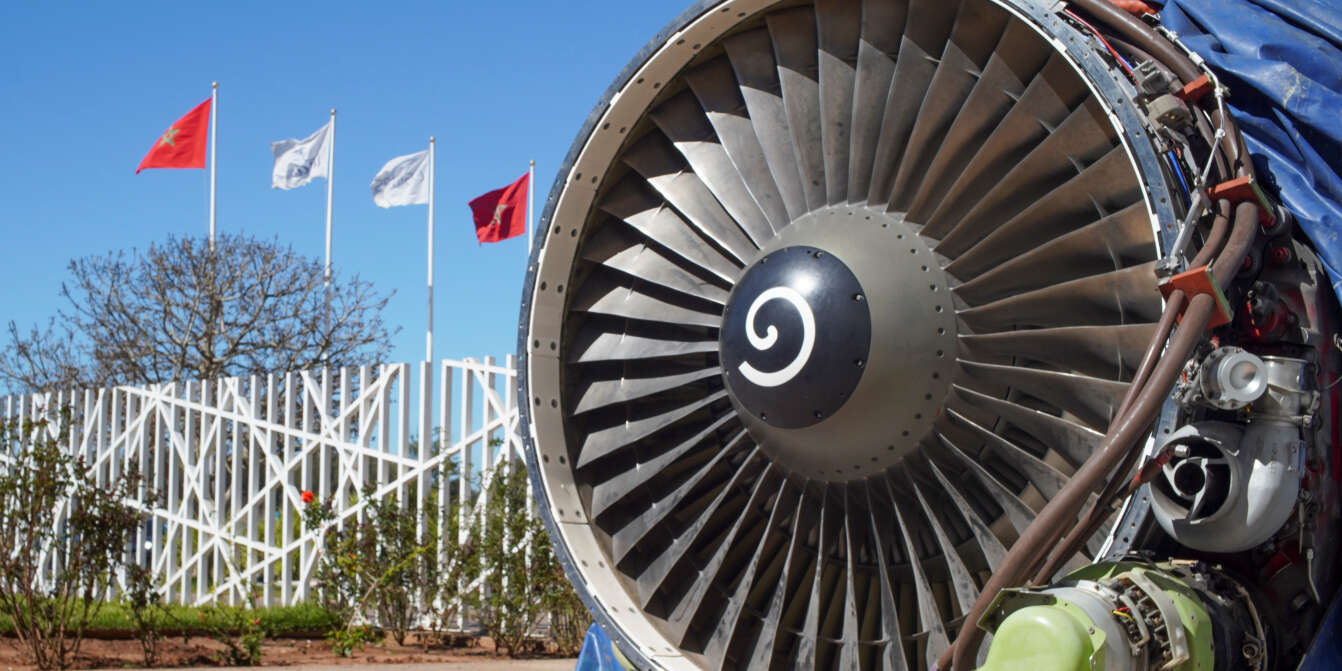
Morocco's aerospace industry includes companies that manufacture aircraft parts, components, and systems for global aviation markets. This sector produces everything from aircraft wiring and seats to engine components and structural parts.
The industry began developing seriously in the early 2000s. Today, it represents one of Morocco's fastest-growing manufacturing sectors.
Most aerospace companies in Morocco focus on manufacturing and assembly rather than design or engineering. They serve as suppliers in the global aerospace supply chain.
Why Morocco Became an Aerospace Hub
Strategic Geographic Location
Morocco sits at the crossroads of Europe, Africa, and the Middle East. The country is only 14 kilometers from Spain across the Strait of Gibraltar.
This location provides easy access to European markets. Most aerospace customers are in Europe and North America.
Morocco operates in a time zone that overlaps with both European and American business hours. This makes communication with clients easier than many Asian manufacturing locations.
Cost Advantages
Labor costs in Morocco are significantly lower than in Western Europe. Skilled aerospace workers earn 30% to 50% less than their European counterparts.
Energy costs and facility rental rates are also more competitive. This helps companies reduce overall production costs while maintaining quality standards.
However, costs are higher than in some Asian countries. Morocco competes by offering proximity to European markets and cultural familiarity with Western business practices.
Government Support and Incentives
The Moroccan government launched its Industrial Acceleration Plan in 2014. This plan identified aerospace as a priority sector for development.
The government offers multiple incentives to aerospace investors. These include tax exemptions for the first five years of operation.
Companies in designated free zones pay no value-added tax (VAT) on exports. They also receive exemptions from customs duties on imported equipment and materials.
Skilled Workforce Development
Morocco has invested heavily in technical education for aerospace manufacturing. The country established the Aerospace Industry Training Institute (IMA) in 2011.
IMA and other technical schools train thousands of students each year. Training programs focus on composite materials, metalworking, electronics assembly, and quality control.
Many programs align with international aerospace standards. This ensures workers understand requirements from major aircraft manufacturers.
The workforce is largely French-speaking, which helps communication with European clients. English proficiency is growing among younger technical workers.
Trade Agreements
Morocco has signed free trade agreements with the European Union, United States, and Turkey. These agreements eliminate tariffs on aerospace products.
The EU agreement is particularly important. Europe is the largest market for Moroccan aerospace exports.
These agreements make Moroccan-manufactured components price-competitive in key markets. They reduce total delivered costs compared to manufacturing in countries without such agreements.
Major Aerospace Companies Operating in Morocco
International Tier-1 Suppliers
Several global aerospace suppliers have established major operations in Morocco. Safran Group, a French aerospace manufacturer, operates multiple facilities producing aircraft wiring and cabin equipment.
Bombardier, the Canadian aerospace company, opened a major manufacturing plant in 2012. This facility produces complex aircraft components and employs over 850 workers.
Eaton Corporation, an American company, manufactures hydraulic systems and engine components. Their Moroccan facility serves customers across Europe and North America.
Boeing and Airbus Supply Chain
Boeing established operations in Morocco and sources components from multiple Moroccan suppliers. These suppliers provide parts for commercial aircraft programs.
Airbus also sources from Moroccan manufacturers. Several Moroccan companies hold direct supplier status with Airbus.
Being part of Boeing and Airbus supply chains validates quality standards. It demonstrates that Moroccan manufacturers meet the strict requirements of major aircraft makers.
Small and Medium Enterprises
Over 100 small and medium-sized enterprises (SMEs) support the aerospace industry. Many are Moroccan-owned companies that started as subcontractors.
These SMEs often specialize in specific processes. Examples include sheet metal forming, surface treatment, machining, or component assembly.
Some SMEs have grown into tier-2 suppliers. They now supply directly to major aerospace manufacturers rather than only to other suppliers.
Key Aerospace Manufacturing Clusters
Casablanca and Midparc Free Zone
The Casablanca region is Morocco's aerospace industry center. It hosts approximately 70% of aerospace companies operating in the country.
The Midparc Free Zone, located near Mohammed V International Airport, is the main aerospace cluster. This industrial park was specifically designed for aerospace and automotive manufacturing.
Midparc offers ready-to-use facilities, customs services on-site, and proximity to air cargo facilities. Companies can move products quickly to European markets.
Nouaceur Aerospace City
Nouaceur, also near Casablanca, hosts an aerospace-focused industrial zone. This area includes both manufacturing facilities and training centers.
The proximity to the airport and to other aerospace suppliers creates efficiency. Companies can coordinate with nearby suppliers and reduce logistics costs.
Support services like quality testing laboratories and certification bodies also operate in this cluster. This ecosystem approach helps smaller companies access resources they couldn't afford independently.
Other Regional Hubs
Rabat, Morocco's capital, hosts several aerospace component manufacturers. The city's technical universities provide a pipeline of engineering talent.
Tangier, in northern Morocco, is developing as a secondary aerospace hub. Its proximity to Europe (only 14 kilometers from Spain) attracts investment.
Marrakech has attracted some aerospace investment, though on a smaller scale. The city offers lower costs and access to tourism-related infrastructure.
What Products Does Morocco Manufacture?
Aircraft Wiring and Electrical Systems
Electrical wiring harnesses are among Morocco's largest aerospace exports. These complex assemblies connect all electrical systems in an aircraft.
Companies like Safran, TE Connectivity, and Labinal manufacture wiring systems. This segment employs thousands of workers in assembly and quality control roles.
Wiring harness manufacturing is labor-intensive but requires high precision. Morocco's combination of lower labor costs and quality standards makes it competitive.
Engine Components and Parts
Several companies manufacture components for aircraft engines. These include brackets, casings, and smaller precision parts.
Engine component manufacturing requires advanced metalworking capabilities. Moroccan suppliers have invested in CNC machining centers and quality control equipment.
This segment typically requires higher skill levels. Workers need training in precision measurement and advanced manufacturing techniques.
Aircraft Cabin Interiors
Morocco manufactures cabin components including seats, galleys, and interior panels. Companies like Sabca and Stelia Aerospace operate facilities for interior manufacturing.
Cabin interior manufacturing combines metalworking, upholstery, and assembly. It provides diverse employment opportunities across skill levels.
This segment benefits from Morocco's existing furniture and textile industries. Workers can transition from these sectors with additional aerospace-specific training.
Structural Components
Some Moroccan manufacturers produce structural parts for aircraft fuselages and wings. These components require composite materials expertise and precision manufacturing.
Structural component manufacturing represents a more advanced segment. It requires significant capital investment in specialized equipment.
Morocco is working to expand this capability. Success in structural components would move the country higher in the aerospace value chain.
Investment Opportunities in Morocco's Aerospace Sector
Direct Manufacturing Investment
Foreign companies can establish wholly-owned manufacturing facilities. Morocco allows 100% foreign ownership in most sectors, including aerospace.
Investors can choose between building facilities or leasing in industrial zones. Free zones offer the most attractive tax treatment for export-oriented manufacturing.
The minimum investment varies by project type. Manufacturing facilities typically require $5 million to $20 million in initial capital.
Joint Ventures with Local Partners
Partnering with Moroccan companies can reduce market entry risks. Local partners understand regulations, labor markets, and business practices.
Joint ventures can access both international expertise and local market knowledge. They may also qualify for programs supporting Moroccan business development.
The Moroccan government encourages partnerships that include technology transfer. These arrangements can receive additional support and incentives.
Supply Chain Integration
Existing aerospace manufacturers may invest in Morocco to strengthen their supply chains. Establishing facilities near other suppliers creates efficiency.
Companies can coordinate with nearby facilities to reduce logistics costs. Proximity enables just-in-time manufacturing approaches.
Supply chain integration investments can start smaller. Companies might begin with assembly operations before expanding to full manufacturing.
Training and Workforce Development
Investment opportunities exist in aerospace training and education. Private training centers can serve the growing demand for skilled workers.
These investments require less capital than manufacturing facilities. However, they depend on sustained industry growth to generate returns.
Partnerships with international training organizations can enhance credibility. Certifications recognized by major aerospace companies add value.
Challenges Facing Morocco's Aerospace Industry
Limited Domestic Market
Morocco's domestic aerospace market is very small. The country has limited military aircraft procurement and no commercial aircraft manufacturers.
This means Moroccan aerospace companies depend entirely on exports. They face international competition and currency fluctuation risks.
Economic downturns in Europe or North America directly impact Moroccan aerospace suppliers. The industry cannot rely on domestic demand as a buffer.
Competition from Other Countries
Morocco competes with Tunisia, Turkey, and Eastern European countries for aerospace investment. These countries offer similar advantages at comparable costs.
Asian countries like China, India, and Vietnam offer lower labor costs. They are improving quality standards and aerospace capabilities.
To remain competitive, Morocco must continue improving productivity. The country must also move into higher-value manufacturing segments.
Infrastructure Limitations
While improving, Morocco's infrastructure still faces limitations. Road and rail connections between industrial zones and ports need upgrading.
Internet connectivity and digital infrastructure are developing but lag behind European standards. This can affect data-intensive operations and communication.
Electricity supply is generally reliable in industrial zones. However, costs are higher than in some competing countries.
Skill Gaps in Advanced Manufacturing
Morocco has successfully trained workers for assembly and basic manufacturing. However, skills for advanced engineering and R&D remain limited.
Few Moroccan aerospace companies perform design work or engineering services. Most function as manufacturers following specifications from foreign clients.
Developing advanced capabilities requires long-term investment in education. It also needs experienced engineers willing to work in Morocco.
Certification and Quality Standards
Maintaining aerospace quality certifications requires constant vigilance. Any quality issues can damage Morocco's reputation in this demanding industry.
Smaller Moroccan suppliers sometimes struggle with certification costs. Achieving certifications like AS9100 or NADCAP requires significant investment.
The government and industry associations provide some support. However, individual companies bear most certification costs and responsibilities.
Government Initiatives Supporting Aerospace Growth
Industrial Acceleration Plan 2014-2020
Morocco's Industrial Acceleration Plan identified aerospace as one of six priority sectors. The plan set targets for export growth and job creation.
The government committed to infrastructure improvements in aerospace zones. It also expanded training programs through public-private partnerships.
By 2020, the plan had largely succeeded in its aerospace goals. The sector exceeded export targets despite global challenges.
Morocco's 2021-2030 Strategy
The current industrial strategy aims to double aerospace exports by 2030. It targets $3 billion in annual exports and 23,000 total jobs.
The strategy emphasizes moving into higher-value manufacturing. Goals include producing more complex components and developing R&D capabilities.
New training initiatives will focus on advanced manufacturing skills. Programs will emphasize composite materials, additive manufacturing, and digital technologies.
Groupement des Industries Marocaines Aéronautiques et Spatiales (GIMAS)
GIMAS is Morocco's aerospace industry association. It coordinates between companies, government, and training institutions.
The association promotes Morocco's aerospace capabilities internationally. It organizes trade missions and participation in international aerospace events.
GIMAS also supports supplier development programs. It helps smaller Moroccan companies achieve aerospace quality standards and certifications.
Tax and Financial Incentives
Companies establishing in Moroccan free zones receive five-year corporate tax exemptions. After this period, they pay reduced rates.
The government offers subsidies for training programs. Companies can receive partial reimbursement for workforce development costs.
Land in industrial zones is often provided at below-market rates. Infrastructure connections may be subsidized for significant investments.
Morocco's Position in the Global Aerospace Market
Market Share and Ranking
Morocco ranks as Africa's largest aerospace exporter. The country produces approximately 1% of global aerospace components by value.
Among emerging aerospace manufacturing countries, Morocco ranks in the top ten. It competes with countries like Mexico, Brazil, and Poland.
The country has achieved this position in roughly two decades. Growth accelerated significantly after 2010.
Main Export Markets
Europe receives approximately 70% of Moroccan aerospace exports. France is the single largest customer, followed by Germany and the United Kingdom.
North America accounts for about 20% of exports. This share is growing as more American companies source from Morocco.
The remaining 10% goes to other regions. Middle Eastern airlines and aircraft operators represent a growing market.
Comparison with Competing Countries
Tunisia has a similar aerospace industry model but smaller scale. Tunisia focuses more on maintenance, repair, and overhaul (MRO) services.
Turkey has a larger aerospace sector with more domestic demand from its military. However, Turkey faces higher political risk concerns from some investors.
Poland and Czech Republic offer proximity to European customers. However, their labor costs are higher than Morocco's.
Mexico is Morocco's closest competitor globally. Mexico has larger scale but is farther from European markets.
Future Outlook and Trends
Move Toward Higher Value Production
Morocco is gradually shifting from basic assembly to more complex manufacturing. Companies are investing in composite materials capabilities and precision machining.
This transition requires workforce upskilling and capital investment. Success will determine whether Morocco can increase profit margins and competitiveness.
The government supports this transition through training programs. It also offers additional incentives for high-technology manufacturing investments.
Sustainability and Green Aviation
The global aerospace industry is focusing on sustainable aviation fuels and electric aircraft. Morocco's aerospace sector must adapt to these changes.
Some companies are beginning to work on components for next-generation aircraft. These programs require new materials expertise and manufacturing processes.
Morocco's renewable energy development could become an advantage. Abundant solar and wind energy may attract companies focused on carbon-neutral manufacturing.
Regional Expansion and African Market
Morocco is positioning itself as a gateway for aerospace activity in Africa. The African aviation market is expected to grow significantly by 2040.
Moroccan companies could serve African airlines for maintenance and component supply. This would reduce dependence on European and American markets.
However, African market development will take time. Most African airlines currently rely on established global suppliers.
Technology Transfer and Innovation
Morocco aims to develop indigenous aerospace engineering capabilities. This requires technology transfer from foreign companies operating in Morocco.
Some joint venture agreements include technology sharing provisions. Over time, this could enable Moroccan companies to perform design and engineering work.
Research and development facilities remain rare in Morocco. Creating an innovation ecosystem will require sustained investment and collaboration with universities.
How to Evaluate Morocco as an Aerospace Investment Destination
Key Factors to Consider
Investors should assess their specific product type and manufacturing requirements. Labor-intensive assembly operations benefit most from Morocco's cost advantages.
Proximity to customers matters significantly. Companies serving European markets benefit more from Morocco's location than those focused on Asian markets.
Supply chain integration potential should be evaluated. Being near other suppliers and support services creates operational efficiency.
Due Diligence Requirements
Potential investors should visit existing aerospace facilities in Morocco. Direct observation provides insights that reports cannot convey.
Discussions with current operators reveal practical challenges. Most established companies are willing to share experiences with potential investors.
Engaging local legal and accounting expertise is essential. Regulations and incentive programs have specific requirements that require professional guidance.
Risk Assessment
Currency risk exists as most transactions occur in euros or dollars while some costs are in Moroccan dirhams. The dirham is relatively stable but not freely convertible.
Political risk in Morocco is relatively low compared to regional neighbors. However, any North African location carries some geopolitical considerations.
Economic dependence on Europe creates vulnerability. European economic cycles directly affect demand for Moroccan aerospace production.
Regulatory changes could affect incentives. While Morocco has maintained consistent policies, future governments might alter approaches.
Comparison: Morocco vs. Other Emerging Aerospace Hubs
Morocco vs. Tunisia
Tunisia has a smaller aerospace sector focused on MRO services and some component manufacturing. Both countries offer similar labor costs and European proximity.
Morocco has attracted larger manufacturing investments. Tunisia has stronger engineering education but smaller industrial base.
Political stability favors Morocco currently. However, Tunisia has a longer aerospace history through its MRO sector.
Morocco vs. Mexico
Mexico has a much larger aerospace sector with over 300 companies and $8 billion in exports. Mexico benefits from proximity to the large U.S. market.
Labor costs are comparable between the two countries. Mexico has more advanced manufacturing capabilities and engineering resources.
Morocco's advantage is access to European and African markets. For companies serving Europe, Morocco offers better logistics.
Morocco vs. Poland
Poland offers higher-skilled workforce and stronger engineering capabilities. The country is an EU member, simplifying trade with European customers.
However, Polish labor costs are significantly higher than Morocco's. Poland's aerospace sector focuses more on advanced manufacturing and MRO.
Morocco is more competitive for labor-intensive operations. Poland attracts projects requiring advanced engineering or EU-based production.
Practical Steps for Aerospace Investment in Morocco
Initial Research and Planning
Companies should identify which Moroccan industrial zone best fits their needs. Midparc Free Zone suits most aerospace operations, but alternatives exist.
Understanding available incentives requires engaging with Morocco's investment promotion agency (AMDIE). They provide detailed information on tax benefits and support programs.
Market research should confirm customer demand and logistics feasibility. Companies must ensure they can deliver products to customers cost-effectively from Morocco.
Legal and Regulatory Compliance
Establishing a legal entity requires registration with Moroccan authorities. Free zone companies follow simplified procedures compared to standard registrations.
Import/export procedures for aerospace materials require understanding. Some materials face restrictions or require special documentation.
Employment regulations govern hiring, contracts, and working conditions. Foreign companies must comply with Moroccan labor law while operating facilities.
Facility Setup and Operations
Site selection depends on proximity to suppliers, airport access, and workforce availability. Most aerospace companies choose locations near Casablanca.
Facility construction or renovation must meet aerospace manufacturing standards. Clean rooms, climate control, and specific layouts may be required.
Equipment importation benefits from customs exemptions in free zones. However, proper documentation ensures smooth import processes.
Workforce Recruitment and Training
Recruitment can occur through government employment agencies or private recruiters. Technical schools provide a pipeline of trained workers.
New employees typically require company-specific training regardless of prior education. Most companies establish internal training programs.
Retention strategies matter in competitive labor markets. Offering competitive wages and career development helps maintain skilled workforce.
.jpg)
.jpg)
.jpeg)
.avif)
.jpg)