
45 Insights on Morocco’s Economic Rise in 2026
Understanding Morocco's Economic Context
Morocco sits at the crossroads of Africa, Europe, and the Middle East. This location has shaped its economy for centuries.
In 2026, Morocco stands as North Africa's fifth-largest economy. The nation has transformed from a primarily agricultural economy to a diversified modern market.
The government has pursued economic liberalization since the 1990s. These reforms opened markets, reduced trade barriers, and welcomed foreign investment.
1. GDP Growth Projections for 2026
Morocco's GDP is expected to reach approximately $142-148 billion in 2026. This represents steady growth from previous years.
The International Monetary Fund projects real GDP growth between 3.5% and 4.2%. This rate reflects recovery from drought conditions and global economic pressures.
Agricultural output significantly influences annual growth rates. Good rainfall years can add 1-2 percentage points to GDP growth.
2. Agricultural Sector Remains Foundation
Agriculture employs about 30-35% of Morocco's workforce. It contributes approximately 12-15% of GDP in normal years.
The sector is highly vulnerable to rainfall patterns. Morocco experiences frequent drought cycles that impact crop yields.
The government has invested heavily in irrigation infrastructure. The Green Morocco Plan aims to modernize farming and improve water efficiency.
Key crops include wheat, barley, citrus fruits, and vegetables. Morocco is also a major exporter of tomatoes and berries to Europe.
3. Phosphate Industry Dominance
Morocco controls approximately 70% of the world's phosphate reserves. This makes it the world's largest phosphate exporter.
The Office Chérifien des Phosphates (OCP Group) is a state-owned giant. It ranks among the world's leading fertilizer producers.
Phosphate and derived products account for roughly 20% of export revenues. Global food security concerns increase demand for fertilizers.
OCP has invested billions in production capacity and port facilities. New chemical plants convert raw phosphates into higher-value fertilizers.
4. Automotive Manufacturing Hub
Morocco has emerged as Africa's largest automotive producer. The country manufactured over 700,000 vehicles in 2024.
Major manufacturers include Renault and Peugeot-Citroën (Stellantis). These companies have established large production facilities near Tangier and Casablanca.
The automotive sector employs over 220,000 people directly and indirectly. It represents Morocco's top export sector, surpassing phosphates.
Morocco benefits from proximity to European markets and competitive labor costs. Free trade agreements provide tariff-free access to key markets.
5. Aerospace Industry Growth
Morocco has developed a growing aerospace components industry. Over 140 companies operate in this sector.
The industry employs approximately 18,000 skilled workers. Major clients include Boeing, Airbus, Bombardier, and Safran.
Morocco supplies wiring systems, structural components, and maintenance services. The country aims to reach $3 billion in aerospace exports by 2030.
The Midparc aerospace platform near Casablanca serves as an industry cluster. It offers infrastructure and services for aerospace manufacturers.
6. Tourism Recovery Post-Pandemic
Tourism is a vital economic pillar for Morocco. The sector contributed 6-8% of GDP before the COVID-19 pandemic.
In 2026, tourist arrivals are approaching pre-pandemic levels. The country welcomed approximately 13-14 million visitors in 2024.
Popular destinations include Marrakech, Fez, Casablanca, and coastal areas. Morocco offers cultural heritage, beaches, mountains, and desert experiences.
The government has invested in tourism infrastructure and marketing campaigns. New hotels, improved airports, and enhanced services attract visitors.
7. The 2030 World Cup Factor
Morocco will co-host the 2030 FIFA World Cup with Spain and Portugal. This represents a historic opportunity for economic development.
The country is investing billions in stadium construction and renovations. Six cities will host matches: Rabat, Casablanca, Marrakech, Fez, Agadir, and Tangier.
Infrastructure improvements extend beyond stadiums. Roads, airports, hotels, and public transportation are being upgraded.
The event is expected to boost tourism, create jobs, and enhance Morocco's global image. Economic benefits should extend well beyond 2030.
8. Renewable Energy Transition
Morocco aims to generate 52% of electricity from renewables by 2030. The country has abundant solar and wind resources.
The Noor Ouarzazate Solar Complex is one of the world's largest. It can power over one million homes during peak sun hours.
Major wind farms operate along the Atlantic and Mediterranean coasts. These projects reduce dependence on imported fossil fuels.
Morocco imports nearly all its oil and gas needs. Renewable energy improves energy security and reduces trade deficits.
9. Green Hydrogen Ambitions
Morocco is positioning itself as a future green hydrogen exporter. The country has ideal conditions for renewable energy production.
Green hydrogen is produced using renewable electricity to split water. It can replace fossil fuels in heavy industry and transportation.
Germany and other European nations seek reliable hydrogen suppliers. Morocco's proximity makes it an attractive partner.
Several pilot projects and feasibility studies are underway. Large-scale production could begin in the late 2020s.
10. Trade Agreement Network
Morocco has signed free trade agreements with numerous partners. These include the European Union, United States, Turkey, and several Arab nations.
The EU-Morocco agreement provides preferential access to European markets. Approximately 65% of Morocco's exports go to Europe.
The US-Morocco Free Trade Agreement (2006) opened the American market. Morocco is the only African country with such an agreement.
These agreements reduce tariffs and attract export-oriented manufacturing. They have helped diversify Morocco's export base.
11. Tanger Med Port Complex
Tanger Med is Africa's largest port by capacity. It ranks among the top 25 container ports globally.
The port sits on the Strait of Gibraltar, a major shipping route. It serves as a transshipment hub connecting Africa, Europe, and the Americas.
Tanger Med handled over 8 million containers in 2024. Expansion projects continue to increase capacity.
The port complex includes industrial zones attracting manufacturers. Proximity to shipping reduces logistics costs for exporters.
12. Casablanca Finance City Initiative
Casablanca Finance City (CFC) aims to become a regional financial hub. It targets African and international financial institutions.
CFC offers tax incentives and regulatory advantages to qualifying companies. Over 200 companies have established presence there.
The initiative seeks to position Morocco as Africa's financial gateway. It provides services to francophone African markets especially.
Banking, insurance, asset management, and advisory firms operate from CFC. The center creates high-skilled jobs in financial services.
13. Banking Sector Expansion
Morocco's banking sector is among Africa's most developed. Three major groups dominate: Attijariwafa Bank, BMCE Bank of Africa, and Banque Populaire.
These banks have expanded across West and Central Africa. They serve as bridges for trade and investment.
The banking sector is well-capitalized and regulated. It weathered the 2008 financial crisis relatively well.
Financial inclusion efforts aim to reach unbanked populations. Mobile banking and digital services are expanding rapidly.
14. Remittances Impact
Moroccan diaspora sends substantial remittances home annually. These transfers reached approximately $10-11 billion in recent years.
Remittances represent 7-9% of GDP. They support household consumption and investment.
Major source countries include France, Spain, Italy, and Belgium. The Moroccan diaspora numbers 4-5 million people.
Remittances provide stable foreign currency inflows. They help balance the current account deficit.
15. Foreign Direct Investment Trends
Morocco attracts significant foreign direct investment (FDI) for Africa. Annual FDI inflows average $2-3 billion.
Key sectors include automotive, aerospace, renewable energy, and real estate. Manufacturing accounts for a large share of greenfield investments.
France remains the largest source of FDI historically. Gulf countries, China, and the United States are increasing investments.
Political stability and economic reforms make Morocco attractive. The country ranks higher than regional peers in ease of doing business.
16. China's Growing Economic Role
China has become a major economic partner for Morocco. Bilateral trade has grown substantially over the past decade.
Chinese companies invest in infrastructure, manufacturing, and telecoms. Projects include roads, ports, and industrial parks.
Morocco benefits from Chinese expertise in large infrastructure projects. However, concerns exist about debt sustainability and technology transfer.
The relationship is part of China's Belt and Road Initiative. Morocco serves as a potential gateway to African and European markets.
17. European Union Relations
The EU is Morocco's largest trading partner by far. About 65% of exports and 50% of imports involve EU countries.
Morocco has "advanced status" with the EU. This provides closer political and economic ties than standard partnerships.
Agricultural exports to Europe face seasonal quotas and regulations. Negotiations continue over market access for Moroccan products.
The relationship occasionally faces tensions over migration and fishing rights. Overall, economic interdependence remains strong.
18. Textile and Clothing Sector
Morocco's textile and clothing industry employs over 200,000 workers. It represents approximately 15% of industrial employment.
The sector benefits from proximity to European fashion markets. Fast fashion requires quick turnaround times favoring nearby suppliers.
Major brands source from Moroccan factories. Production includes clothing, footwear, and leather goods.
The industry faces competition from Asian manufacturers. Morocco competes on speed, quality, and flexibility rather than lowest cost.
19. Information Technology Services
Morocco's IT and business process outsourcing sector is growing. The country offers French and English language skills.
Major cities host call centers serving European markets. IT services, software development, and data processing are expanding.
The government supports the digital economy through infrastructure investment. Fiber optic networks and technology parks facilitate growth.
Approximately 100,000 people work in IT and outsourcing. The sector attracts young, educated workers seeking employment.
20. Unemployment Challenges
Morocco's unemployment rate fluctuates around 11-13% overall. Youth unemployment (ages 15-24) exceeds 25%.
University graduates face particular difficulties finding suitable employment. Education doesn't always match labor market needs.
Informal employment remains widespread, especially in agriculture and services. Many workers lack social protection and job security.
Job creation in formal sectors lags population growth. This represents a significant policy challenge for the government.
21. Education System Reforms
Morocco has expanded access to education significantly. Primary school enrollment approaches universal levels.
However, education quality remains a concern. International assessments show weak performance in math, science, and reading.
Language policy creates challenges. Instruction uses Arabic and French, with increasing English requirements.
Vocational training is expanding to match labor market needs. The government recognizes education as crucial for economic competitiveness.
22. Water Scarcity Crisis
Water scarcity is Morocco's most serious environmental challenge. The country experiences frequent droughts.
Dam levels often fall below 30% of capacity during dry years. Climate change is reducing rainfall and increasing temperatures.
Agriculture consumes approximately 85% of water resources. Inefficient irrigation methods waste significant amounts.
The government is investing in desalination plants and wastewater treatment. Water management will significantly impact future economic stability.
23. Desalination Projects
Morocco is rapidly expanding seawater desalination capacity. Over 20 desalination plants are planned or under construction.
These plants will primarily serve coastal cities and industrial zones. They reduce pressure on stressed freshwater resources.
Desalination requires substantial energy input. Coupling plants with renewable energy improves sustainability.
The technology is expensive but increasingly necessary. Water security is essential for economic stability and growth.
24. Social Protection Expansion
Morocco is implementing universal health coverage gradually. The goal is to cover all citizens by 2026-2027.
The social protection system historically covered only formal sector workers. Millions worked without health insurance or pensions.
New programs aim to support vulnerable populations. This includes direct cash transfers to poor families.
Expanding social protection reduces inequality and supports consumption. It also addresses social tensions and improves political stability.
25. Women's Economic Participation
Women's labor force participation in Morocco is relatively low. Only about 20-25% of working-age women are formally employed.
Cultural factors, caregiving responsibilities, and limited opportunities contribute. Rural women face additional barriers to formal employment.
The government has implemented programs to support female entrepreneurship. Microfinance initiatives particularly target women.
Increasing female participation could significantly boost economic growth. Educated women face barriers despite qualifications.
26. Regional Economic Disparities
Significant economic gaps exist between regions. Coastal urban areas are far more developed than interior rural regions.
Casablanca and Rabat generate a disproportionate share of GDP. The eastern and southern regions lag in development.
Rural areas lack infrastructure and economic opportunities. This drives migration to cities and emigration abroad.
Regional development programs aim to reduce disparities. However, progress remains slow and uneven.
27. Sahara Question Economic Impact
The Western Sahara dispute affects Morocco's international relations. Some countries don't recognize Morocco's sovereignty over the territory.
The region has limited economic development despite natural resources. Phosphate deposits and fishing areas have potential.
Morocco invests heavily in infrastructure there. Roads, ports, and social programs aim to integrate the region.
The dispute occasionally affects trade relations and diplomatic ties. Resolution would likely benefit Morocco's international standing.
28. Real Estate Market Dynamics
Morocco's real estate sector has experienced significant growth. Major cities see ongoing construction of residential and commercial properties.
Foreign buyers can purchase property in Morocco. Europeans and Gulf investors are active in the market.
Affordable housing remains a challenge for many Moroccans. The government has programs to support low-income homebuyers.
Real estate contributes to employment in construction and related services. However, oversupply exists in some market segments.
29. Transportation Infrastructure Improvements
Morocco has invested heavily in transportation infrastructure. The country has Africa's first high-speed rail line.
The Al Boraq train connects Casablanca and Tangier at 320 km/h. Extensions to other cities are planned.
Highway networks have expanded significantly. Toll roads connect major cities with modern infrastructure.
Airports in Casablanca, Marrakech, and other cities have been upgraded. These improvements support tourism and business connectivity.
30. Port Development Strategy
Beyond Tanger Med, Morocco operates numerous commercial ports. Casablanca, Agadir, and Jorf Lasfar handle significant cargo.
Port modernization aims to increase capacity and efficiency. Container handling, bulk cargo, and fishing ports are being upgraded.
Morocco's ports serve as gateways for West African trade. Goods destined for landlocked countries often transit through Morocco.
The maritime sector creates employment and attracts maritime services companies. Shipping, logistics, and related industries benefit.
31. Railway Network Expansion
Morocco's railway network is expanding beyond coastal areas. New lines connect previously isolated regions.
The Office National des Chemins de Fer (ONCF) operates the system. It provides passenger and freight services.
Railway expansion improves access to markets for agricultural regions. It also facilitates passenger travel and reduces road congestion.
Future plans include connections to West African countries. These would enhance Morocco's role as a regional transport hub.
32. Aviation Sector Growth
Royal Air Maroc, the national carrier, has expanded internationally. It serves as a connector between Africa, Europe, and the Americas.
Morocco has liberalized its aviation sector partially. Low-cost carriers operate alongside the national airline.
Airport capacity has increased significantly. New terminals and runways accommodate growing passenger numbers.
The aviation sector supports tourism and business travel. It creates employment directly and in related services.
33. Telecommunications Infrastructure
Morocco has achieved high mobile phone penetration. Over 130% of the population has mobile subscriptions (including multiple SIM cards).
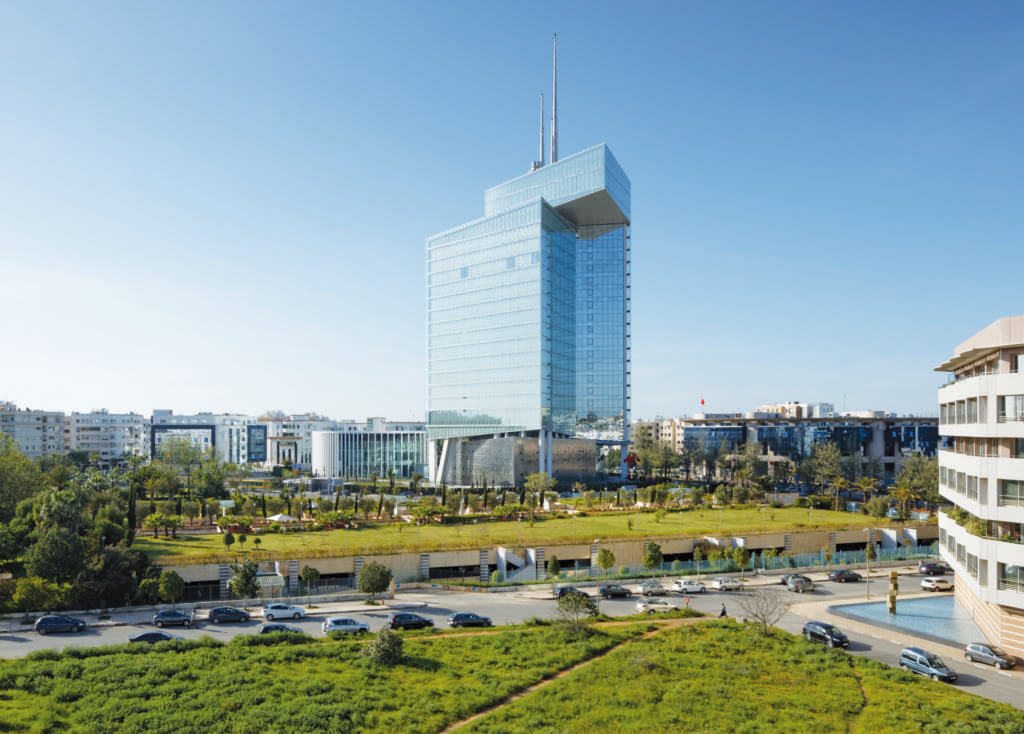
Three major operators compete: Maroc Telecom, Orange Morocco, and INWI. Competition has reduced prices and improved services.
4G coverage reaches most populated areas. 5G deployment began in major cities in recent years.
Internet access has expanded but gaps remain. Rural areas and lower-income households have lower connectivity.
34. Digital Government Initiatives
Morocco is digitizing government services gradually. Online portals allow citizens to access some services remotely.
Digital ID cards and e-signature capabilities are being implemented. These facilitate online transactions and reduce bureaucracy.
The COVID-19 pandemic accelerated digital transformation. Remote services became necessary during lockdowns.
Challenges include digital literacy and internet access disparities. Full digitalization will require addressing these gaps.
35. Startup Ecosystem Development
Morocco's startup ecosystem is emerging but still small. Major cities host technology incubators and accelerators.
Funding remains a challenge for early-stage companies. Venture capital is limited compared to more developed markets.
Success stories inspire new entrepreneurs. Some Moroccan startups have expanded regionally or attracted international investment.
The government has launched initiatives to support innovation. These include funding programs, tax incentives, and regulatory sandboxes.
36. E-commerce Growth
Online shopping is growing in Morocco, though from a low base. E-commerce represents a small percentage of total retail.
Payment infrastructure historically limited e-commerce. Cash on delivery remains the most common payment method.
Major platforms include local players and regional entrants. Delivery logistics in smaller cities remain challenging.
Young, urban, educated consumers drive e-commerce growth. The sector has significant potential as infrastructure improves.
37. Tourism Diversification Efforts
Morocco is diversifying beyond traditional cultural tourism. New segments include beach resorts, adventure tourism, and wellness travel.
The government promotes less-visited regions to spread benefits. Northern mountains and southern desert areas offer new experiences.
Conference and business tourism is growing. New facilities in major cities target meetings and conventions.
Sustainable and responsible tourism initiatives are emerging. These aim to preserve cultural and natural heritage.
38. Cultural Industries Potential
Morocco's film industry attracts international productions. Ouarzazate and other locations offer diverse landscapes and lower costs.
Major films and television series have been shot in Morocco. The sector creates jobs and promotes the country globally.
Music, arts, and crafts contribute to the economy. Traditional handicrafts support artisan communities.
Cultural festivals attract tourists and showcase Moroccan culture. These events combine economic and cultural objectives.
39. Fishing Industry Modernization
Morocco has rich Atlantic and Mediterranean fishing grounds. The sector employs approximately 500,000 people directly and indirectly.
Fishing accounts for substantial export revenues. Sardines, octopus, and other seafood reach European and Asian markets.
Sustainability concerns affect the industry. Overfishing and climate change threaten fish stocks.
Morocco is investing in modern fishing vessels and processing facilities. Value-added products increase export revenues.
40. Mining Sector Beyond Phosphates
Besides phosphates, Morocco has other mineral resources. These include silver, lead, zinc, copper, and industrial minerals.
Mining contributes to employment in remote regions. Many mines operate in areas with few alternative opportunities.
The government encourages exploration and sustainable mining practices. New mining code aims to attract investment while protecting environment.
Small-scale artisanal mining also exists. This informal sector employs thousands but faces safety and environmental challenges.
41. Pharmaceutical Industry Development
Morocco has a growing pharmaceutical manufacturing sector. Local production covers approximately 70% of domestic needs.
Companies produce generics under license from international brands. Some Moroccan firms export to African markets.
The COVID-19 pandemic highlighted pharmaceutical self-sufficiency importance. Morocco produced vaccines through technology transfer agreements.
The sector benefits from skilled workforce and proximity to markets. Growth potential exists in both domestic and export markets.
42. Olive Oil Production
Morocco is among the world's top olive oil producers. Production varies with weather conditions but averages 120,000-200,000 tons annually.
Quality has improved significantly in recent years. Moroccan olive oils win international awards.
Export markets include the EU and United States. Rising international prices benefit Moroccan producers.
Olive growing provides income for rural communities. It suits Morocco's climate and terrain in many regions.
43. Cannabis Legalization Impact
Morocco legalized cannabis cultivation for medical and industrial uses in 2021. The country was historically a major illegal producer.
Legalization aims to regulate the sector and support farmer incomes. Thousands of small farmers in northern mountains depended on illegal cultivation.
Legal cannabis could become a significant export commodity. Morocco has ideal growing conditions and expertise.
Regulatory frameworks and quality standards are still developing. International markets remain limited but growing.
44. Climate Change Vulnerabilities
Climate change poses serious risks to Morocco's economy. Rising temperatures, reduced rainfall, and extreme weather events increase.
Agriculture, water resources, and coastal areas face particular threats. These sectors are economically crucial.
Morocco has committed to ambitious climate goals. The country aims for carbon neutrality by 2050.
Adaptation investments are necessary but expensive. International climate finance could help fund necessary projects.
45. Future Economic Outlook
Morocco's economic prospects for 2026 and beyond depend on multiple factors. Successful reforms could accelerate growth significantly.
Water management will critically determine agricultural stability. Climate adaptation measures are essential investments.
Continued political stability supports investor confidence. Morocco has avoided the upheavals affecting some neighbors.
Diversification away from traditional sectors reduces risk. Manufacturing and services growth balance agricultural volatility.
Challenges remain substantial, including inequality, unemployment, and education quality. Addressing these determines long-term prosperity.
Morocco's strategic position and reform efforts create opportunities. The country is positioning itself as a stable, connected economy bridging continents.
.jpg)
.jpg)
.jpeg)
.avif)
.jpg)