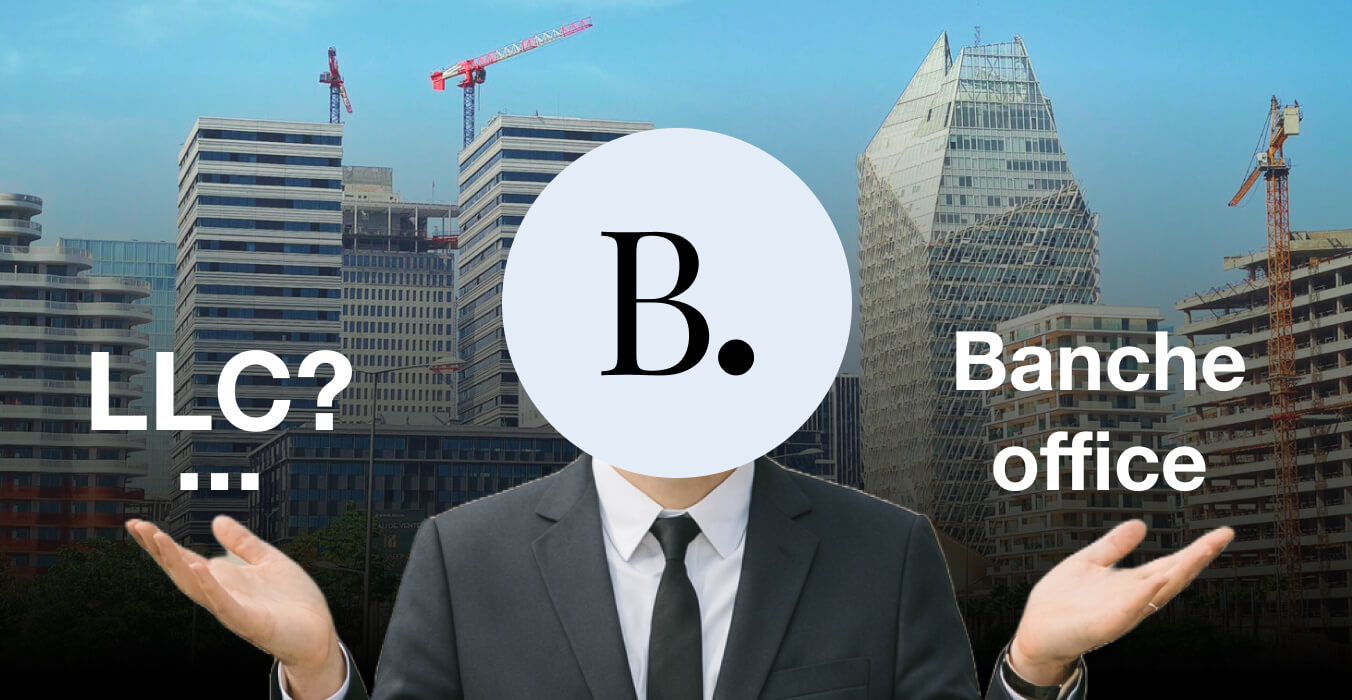

Greenfield vs Brownfield Investment: Which Strategy Is Right for You?
.webp)
What Is Greenfield Investment?
Greenfield investment occurs when a company builds a brand-new facility in a foreign country. The term comes from constructing on undeveloped "green field" land.
This approach gives companies complete control over design, technology, and operations. The company starts from zero and creates everything according to its exact specifications.
Examples include Toyota building a new manufacturing plant in the United States or Samsung constructing a semiconductor factory in Vietnam.
Key Features of Greenfield Investment
Greenfield projects involve acquiring land, obtaining permits, and constructing buildings. Companies must hire staff, install equipment, and establish supply chains from the ground up.
This strategy requires significant upfront capital. Companies must budget for construction, equipment, training, and regulatory compliance.
The timeline is typically longer than other entry methods. Projects can take several years from planning to full operation.
What Is Brownfield Investment?
Brownfield investment means purchasing, leasing, or partnering with an existing facility in a foreign market. The company uses infrastructure that is already built.
The name comes from redeveloping previously used industrial sites. These sites may have existing buildings, equipment, or environmental concerns.
Examples include a foreign car manufacturer buying a closed factory or a retail chain acquiring an existing store network.
Key Features of Brownfield Investment
Brownfield deals often include existing staff, supply relationships, and customer bases. The company inherits both assets and potential liabilities.
This approach generally requires less initial capital than greenfield projects. However, renovation or modernization costs can be substantial.
Market entry happens faster because infrastructure already exists. Companies can begin operations in months rather than years.
Advantages of Greenfield Investment
Complete Control Over Design
Companies can build facilities that perfectly match their technical requirements. They choose equipment, layout, and technology without compromise.
This control extends to environmental standards and safety systems. Companies can implement the latest innovations from day one.
No Legacy Issues
Greenfield sites have no outdated equipment or contamination problems. Companies avoid inheriting another organization's mistakes or inefficiencies.
There are no existing labor contracts or cultural conflicts. Management can establish company culture and practices from the beginning.
Customization for Local Markets
Companies can design facilities specifically for local conditions. This includes climate considerations, local regulations, and customer preferences.
Buildings can incorporate sustainable practices and modern efficiency standards. This may reduce long-term operating costs.
Long-Term Strategic Positioning
Greenfield investments signal serious commitment to a market. This can improve relationships with local governments and communities.
Companies can select optimal locations for logistics and market access. They are not limited by existing facility locations.
Disadvantages of Greenfield Investment
High Initial Costs
Construction, equipment, and infrastructure require massive capital outlays. These costs often exceed initial estimates.
Companies must fund operations during the construction phase with no revenue. This creates significant financial pressure.
Longer Time to Market
Greenfield projects take years to complete. Competitors may gain market share during this delay.
Companies must navigate complex permitting and regulatory processes. Different countries have varying requirements that can cause unexpected delays.
Greater Risk and Uncertainty
Building in unfamiliar markets increases risk. Companies may encounter unexpected geological, political, or economic challenges.
There is no existing customer base or market presence. The company must establish brand recognition and distribution networks from scratch.
Resource Intensive
Greenfield projects demand significant management attention and expertise. Companies must recruit, train, and retain entirely new workforces.
Supply chain development requires time and relationship building. Finding reliable local suppliers and partners can be challenging.
Advantages of Brownfield Investment
Faster Market Entry
Existing facilities allow companies to begin operations quickly. This speed advantage can be critical in competitive markets.
Companies can generate revenue sooner. This improves return on investment timelines.
Lower Initial Investment
Acquiring existing facilities typically costs less than building new ones. Companies save on construction, permitting, and basic infrastructure.
Equipment, utilities, and support systems may already be in place. This reduces capital requirements significantly.
Existing Workforce and Knowledge
Brownfield deals often include experienced employees. These workers understand local markets, regulations, and business practices.
The company inherits institutional knowledge and established operational processes. This reduces the learning curve substantially.
Established Supply Chains and Customers
Existing facilities may have supplier relationships and distribution networks. This provides immediate operational capability.
Some brownfield deals include existing customer bases. This creates immediate revenue opportunities.
Reduced Regulatory Barriers
Existing facilities have already navigated local permitting processes. Companies avoid many bureaucratic challenges associated with new construction.
Environmental assessments and zoning approvals may already be complete. This eliminates significant time delays.
Disadvantages of Brownfield Investment
Inherited Problems
Companies may acquire outdated equipment or inefficient layouts. Renovation costs can approach or exceed new construction expenses.
Previous environmental contamination creates legal and financial liabilities. Cleanup requirements can be expensive and time-consuming.
Limited Customization
Existing facilities may not perfectly match operational requirements. Companies must adapt processes to available infrastructure.
Retrofitting old buildings for new technology can be difficult. Some modifications may be physically or economically impossible.
Cultural and Labor Challenges
Inherited workforces may resist new management or operational changes. Existing labor agreements can limit flexibility.
Previous company culture may conflict with new ownership values. Changing established practices requires careful management.
Hidden Costs
Due diligence may not reveal all problems. Companies can discover unexpected maintenance needs, code violations, or structural issues.
Integration with parent company systems may be complex. Technology upgrades and standardization create additional expenses.
Location Limitations
Companies are restricted to existing facility locations. These may not be optimal for long-term strategy or market access.
Expansion opportunities may be limited by available space. Land-locked facilities cannot grow easily.
Key Factors in Choosing Between Greenfield and Brownfield
Budget and Financial Resources
Greenfield requires more upfront capital but avoids hidden costs. Brownfield needs less initial investment but may have unexpected expenses.
Companies must assess their available capital and financing options. Cash flow projections should account for each strategy's timeline.
Time Constraints
Companies needing fast market entry typically choose brownfield. Those with longer strategic horizons may prefer greenfield.
Competitive dynamics influence timing decisions. First-mover advantages may justify higher greenfield costs.
Control and Customization Needs
Highly specialized operations favor greenfield investment. Companies requiring specific technology or layouts benefit from building new.
Standard operations that can adapt to existing facilities work well with brownfield. Less customization needs make brownfield more attractive.
Risk Tolerance
Risk-averse companies may prefer brownfield for its predictability. Despite potential legacy issues, brownfield offers proven infrastructure.
Companies comfortable with higher risk may choose greenfield. Greater uncertainty comes with potential for optimal long-term positioning.
Market Conditions
Availability of suitable brownfield targets affects the decision. Some markets have limited acquisition opportunities.
Real estate costs and construction expenses vary by location. These factors significantly impact relative attractiveness of each approach.
Regulatory Environment
Some countries encourage greenfield investment through incentives and tax breaks. Others facilitate brownfield through streamlined acquisition processes.
Environmental regulations may favor one approach over another. Companies must understand local requirements thoroughly.
Technology Requirements
Cutting-edge technology often requires greenfield investment. Existing facilities may not support advanced systems.
Standard technology can work in brownfield settings. Companies should assess whether existing infrastructure meets technical needs.
Industry Examples
Manufacturing Sector
Automotive manufacturers frequently use greenfield for new markets. They build plants designed for specific vehicle models and production methods.
However, some manufacturers acquire failing competitors' facilities. This brownfield approach provides quick capacity additions.
Retail Industry
International retailers often use brownfield when entering new countries. They acquire existing store networks or purchase failed competitors.
Some luxury retailers prefer greenfield for flagship stores. This ensures brand standards and customer experience control.
Technology and Data Centers
Tech companies building data centers typically choose greenfield. These facilities require specific power, cooling, and connectivity infrastructure.
Some technology firms acquire existing data centers for quick capacity. This brownfield approach works when infrastructure meets requirements.
Energy Sector
Renewable energy projects are typically greenfield investments. Wind and solar farms require specific locations and new construction.
Oil and gas companies sometimes acquire existing facilities. This brownfield approach provides immediate production capability.
Hybrid Approaches
Some companies combine both strategies. They may acquire existing facilities and conduct major renovations.
This hybrid approach attempts to balance speed with customization. Companies gain faster market entry while addressing critical infrastructure needs.
Partnerships and joint ventures can blend greenfield and brownfield elements. One partner may contribute existing facilities while the other provides technology and capital.
Due Diligence Requirements
Greenfield Due Diligence
Companies must assess land quality, zoning regulations, and environmental conditions. Geological surveys prevent future construction problems.
Political risk analysis evaluates government stability and policy consistency. Companies should understand labor availability and local supplier capabilities.
Infrastructure evaluation includes utilities, transportation, and communication systems. Adequate support infrastructure is essential for operations.
Brownfield Due Diligence
Environmental assessments identify contamination and cleanup requirements. These evaluations must be thorough to avoid unexpected liabilities.
Facility condition reports evaluate buildings, equipment, and infrastructure. Engineering studies determine renovation or replacement needs.
Financial audits review existing contracts, obligations, and liabilities. Legal reviews identify potential claims or compliance issues.
Workforce analysis assesses skills, labor agreements, and cultural factors. Understanding inherited staff capabilities is crucial.
Financial Considerations
Capital Expenditure Patterns
Greenfield concentrates expenses in the construction phase. Companies face large outlays before generating revenue.
Brownfield spreads costs more evenly over time. Initial acquisition costs are lower, but ongoing renovation expenses continue.
Return on Investment Timelines
Greenfield typically has longer payback periods. Higher initial costs and delayed revenue extend ROI timelines.
Brownfield can generate returns more quickly. Faster market entry and lower initial costs improve early financial performance.
Operating Cost Differences
Modern greenfield facilities often have lower operating costs. Energy efficiency, automation, and optimal design reduce ongoing expenses.
Older brownfield facilities may have higher operating costs. Maintenance, energy consumption, and inefficient layouts increase expenses.
Strategic Alignment
Companies should align investment strategy with corporate objectives. Long-term market leadership may justify greenfield investment.
Short-term market share goals often favor brownfield. Quick entry and immediate capacity support aggressive growth strategies.
Brand positioning influences the decision. Premium brands may need greenfield to maintain quality standards and customer experience.
Regional Considerations
Developed Markets
Developed countries often have more brownfield opportunities. Mature economies have existing industrial infrastructure available for acquisition.
Regulatory processes are generally more predictable but complex. Environmental requirements may be stricter in developed nations.
Emerging Markets
Emerging economies may offer greenfield incentives. Governments attract investment through tax breaks and streamlined permitting.
Infrastructure quality varies significantly. Companies must carefully evaluate local support systems and reliability.
Political Risk Factors
Government stability affects both strategies differently. Greenfield faces greater political risk due to longer timelines.
Brownfield can adapt more quickly to political changes. However, existing facilities may have legacy political relationships.
Environmental and Sustainability Considerations
Greenfield Sustainability
New construction allows implementation of the latest environmental technologies. Companies can achieve superior energy efficiency and lower emissions.
Green building certifications are easier to obtain with new facilities. This supports corporate sustainability goals and public image.
Brownfield Environmental Challenges
Existing facilities may require environmental remediation. Contamination cleanup is expensive and time-consuming.
However, reusing existing buildings reduces overall environmental impact. Avoiding new construction preserves land and reduces material consumption.
Making the Decision
Companies should conduct comprehensive comparative analysis. Financial modeling should include all costs, timelines, and revenue projections.
Scenario planning helps evaluate both strategies under different conditions. Companies should test assumptions about markets, costs, and competitive responses.
Expert consultation provides valuable perspective. Legal, financial, and technical advisors help identify issues and opportunities.
Pilot projects or phased approaches can reduce risk. Starting small allows companies to learn before making larger commitments.
Conclusion
Greenfield and brownfield investments serve different strategic purposes. Neither approach is universally superior.
Greenfield provides control, customization, and long-term optimization. However, it requires more capital, time, and risk tolerance.
Brownfield offers speed, lower initial costs, and established infrastructure. However, it involves legacy issues and limited customization.
The right choice depends on specific circumstances. Companies must carefully evaluate their objectives, resources, and market conditions.
Successful international expansion requires thorough analysis and realistic expectations. Both strategies can support business growth when properly executed.
.jpg)
.jpg)
.jpeg)
.avif)
.jpg)